How to Buy iPhones Wholesale: A Practical Guide for Resellers
Which iPhone generations to stock, how box pricing works, and the questions to ask before you place a bulk iPhone order.
· 7 min read
iPhones are the backbone of most phone resale businesses. They hold their value, buyers recognise every model, and parts and accessories are easy to source. Buying them wholesale, rather than one at a time, is how resellers keep their cost per unit low enough to make a margin.
Pick generations that match your customers
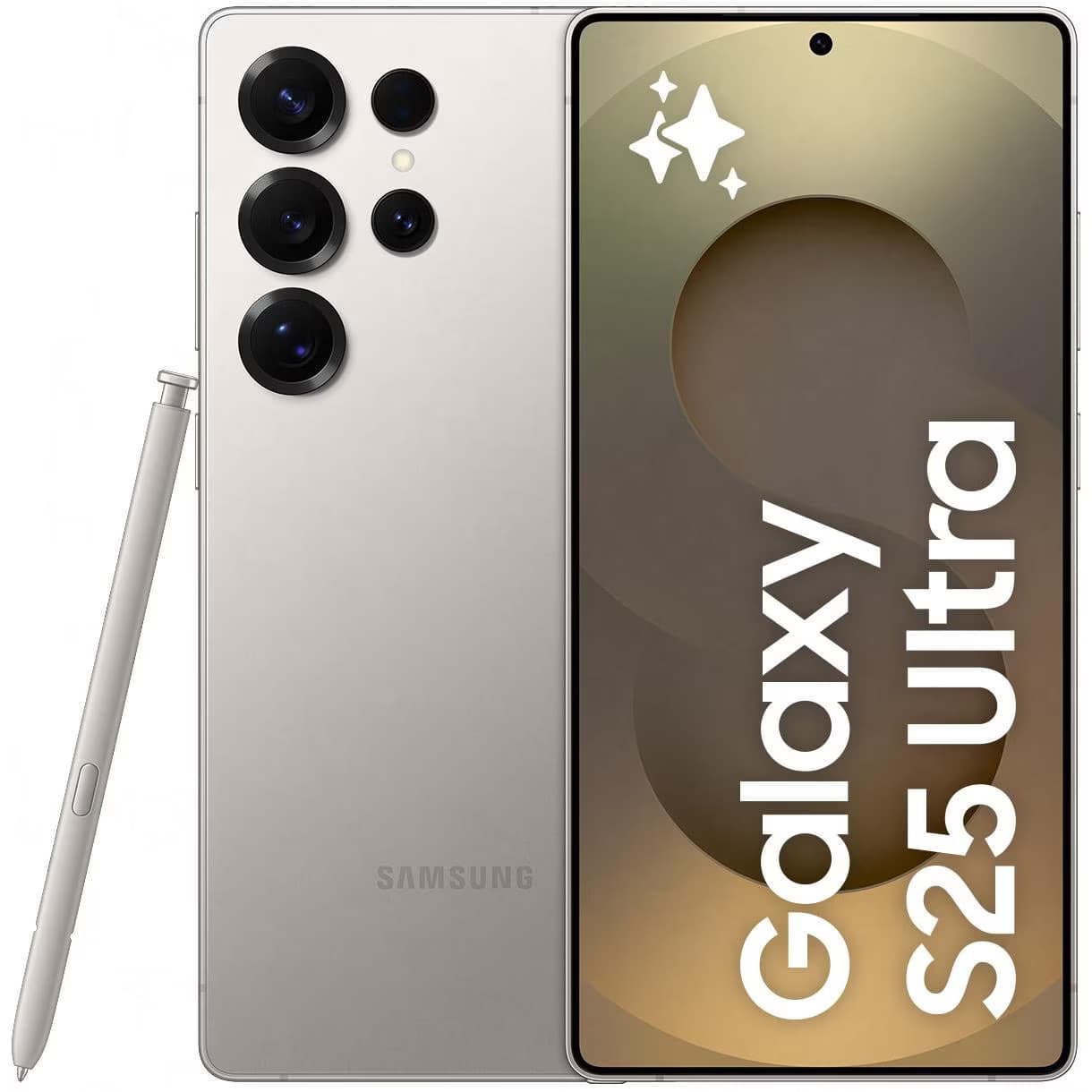
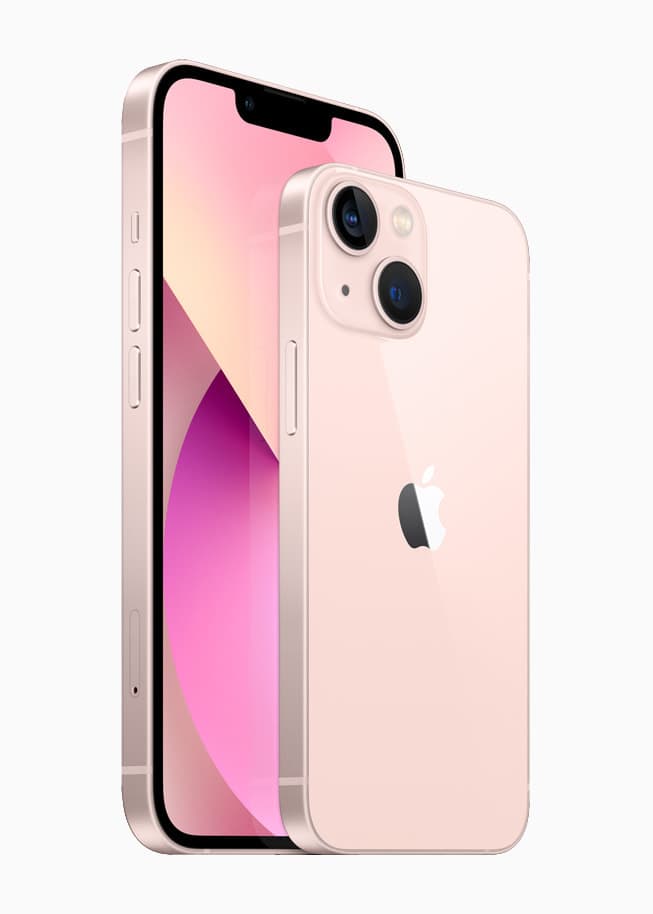
Older models such as the iPhone 11, 12 and 13 sell well to price-conscious buyers, first-time smartphone users and businesses that need dependable handsets for staff. Newer models from the iPhone 15 onward add USB-C charging, and the iPhone 16 and later are built for Apple Intelligence, which matters to buyers who want the latest features and the longest software support.
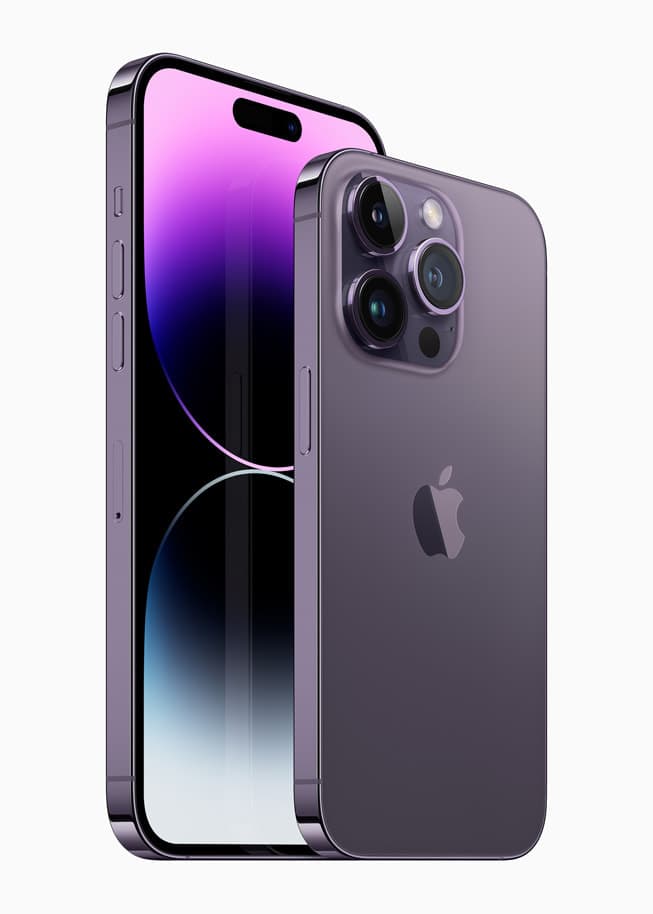
Pro and Pro Max models carry higher prices and margins but tie up more cash per unit. Many resellers balance a box of a fast-moving standard model with a smaller quantity of Pro models.
Why buy one model per box
A box of a single model is far easier to manage than a mixed pallet. Grading is consistent, cases and screen protectors match, and listings can be created once and reused. It also makes your cost per unit obvious: divide the box price by the number of units.
Questions to ask before you pay
Before paying for any bulk iPhone order, confirm the condition grade of the units, the storage capacities and colours in the box, whether units are carrier-unlocked, and what accessories are included. A reputable supplier will put these details in writing on an invoice before you pay.
Budget for the full landed cost
Your real cost is more than the box price. Add shipping, any import duties, testing time, and a margin for units that need repair or parts. Building a realistic landed cost per unit is the best way to price your listings confidently.